A first stage usually includes
- One main path the client or the team can complete.
- Testing on a phone and a computer.
- One round of corrections on what was agreed.
- An explanation of how to use it.

For the meeting
Lautaro Demian Núñez · Córdoba, Argentina · Cybersecurity degree · 6+ years
I help companies, shops, and small businesses organize inquiries, show what they sell, and stop repeating the same tasks by hand.
Four ways to start. In the meeting we pick one, not all four.
A clear presentation of your business, built for a phone, with a simple path to get in touch.
Show products or services so the person reaches the conversation already knowing what they want.
Orders, booking requests, or internal information, gathered in one place for the team.
Simplify a step that wastes time today: a form, a dashboard, or a path that does not quite close.
From a real need to a solution the team can use.
One is enough for the meeting. The rest of the portfolio is there if you need to compare.
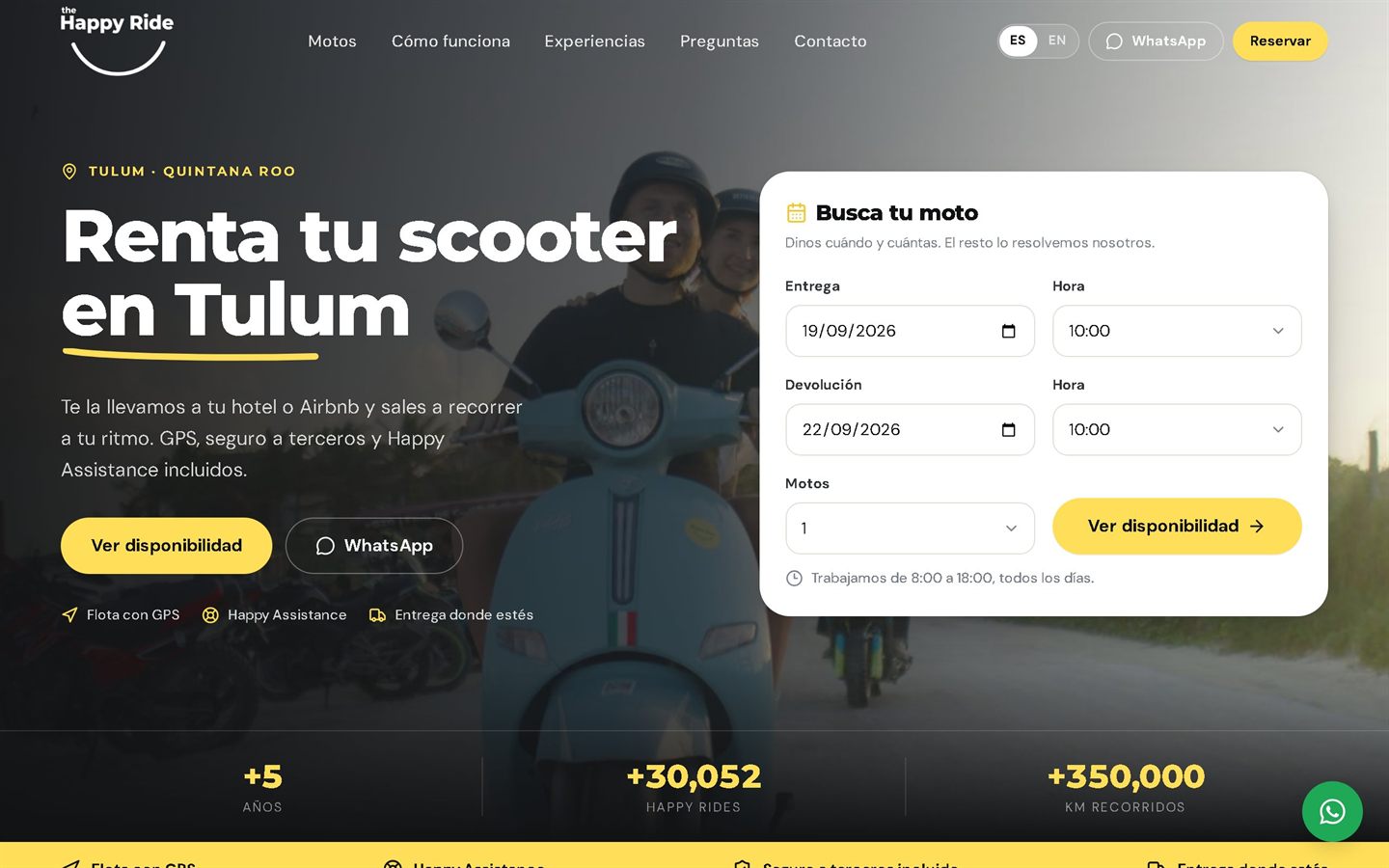
Bookings
Choose a vehicle, enter dates, and send a request. The business confirms afterward.
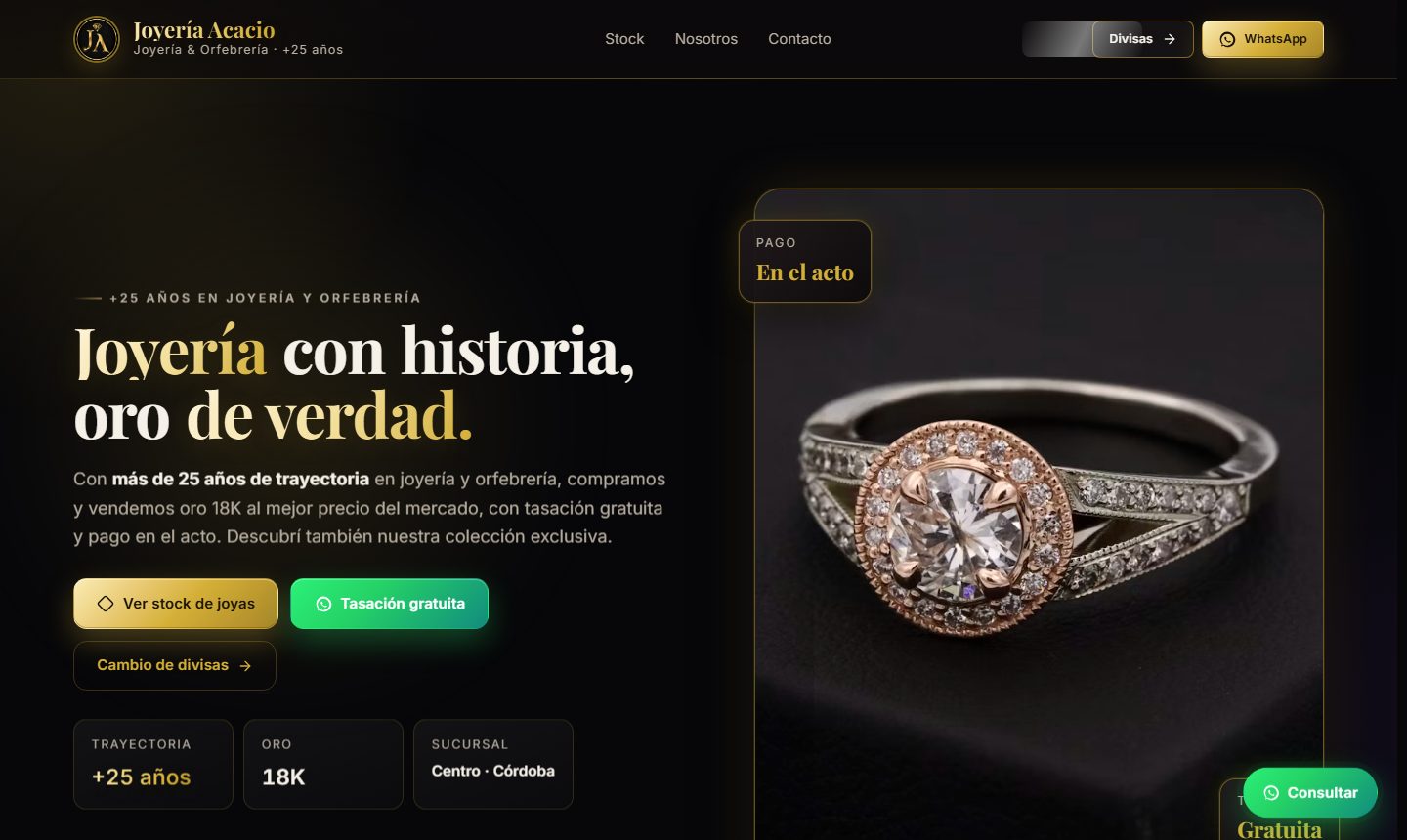
Shop
A digital storefront for discovering pieces and asking about them. The catalog is updated from one place.
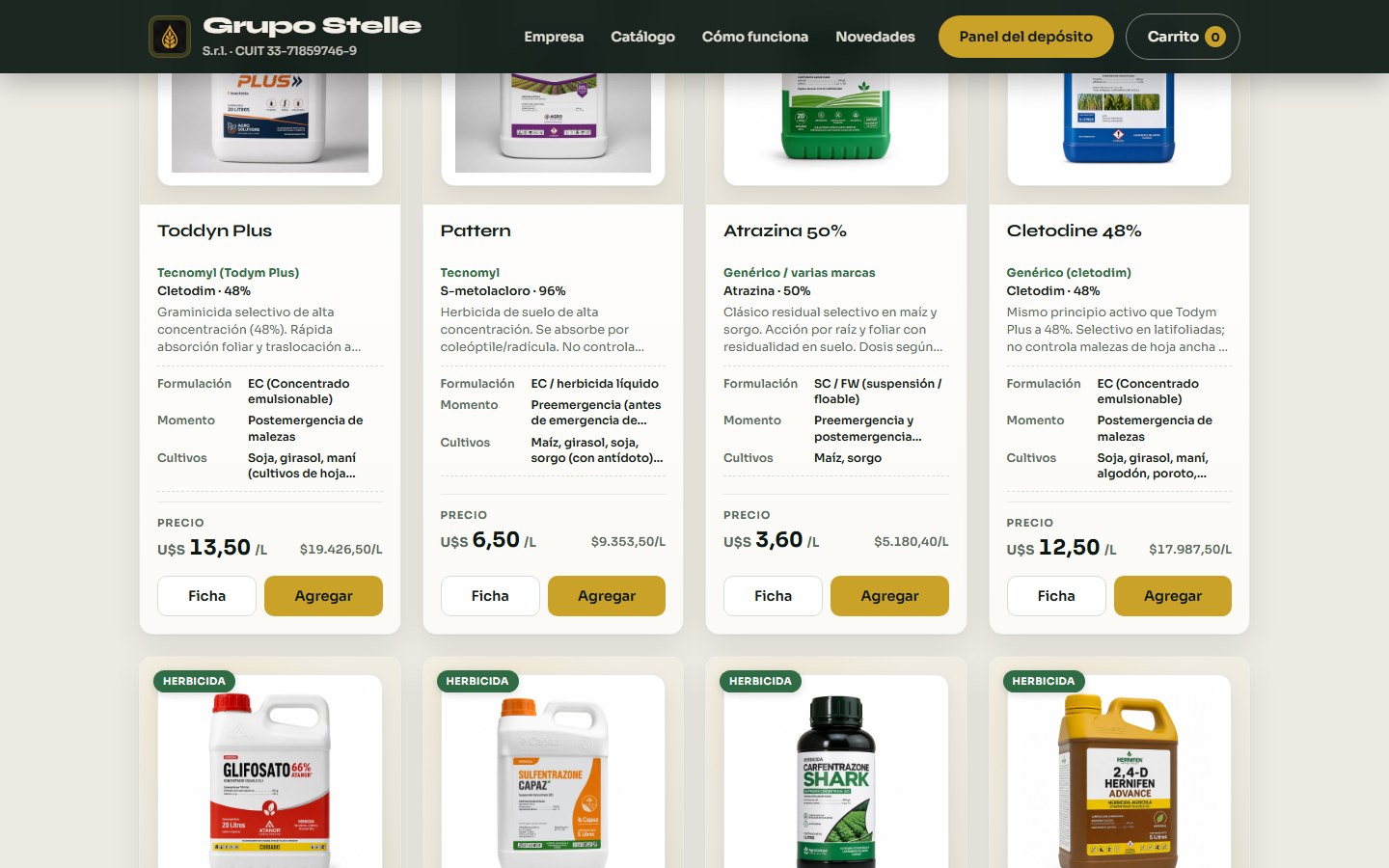
Orders
Products by the liter and a built order, with a view for whoever manages the requests.
The price comes from the scope, not from a generic list. In this meeting the goal is to understand the problem and propose a first step that can be paid for and delivered.
Both. A clear website, a catalog, or an internal flow for orders and requests, depending on what the business needs first.
Yes. The portfolio has the rest of the cases. In the meeting it is better to open just one, the closest to your problem.
There is a separate identity proposal. If it fits, we look at it after the digital problem is defined, not at the same time.
If the problem is clear, the next message is a one-page proposal: what gets solved, what is included, and the price. If a detail is missing, we ask for it before quoting.
lautarodemiannunez32@gmail.com